exhibition
Ana de Almeida & Valeria Pechena, Deniz Sözen & Tahereh Nourani
08/05 – 23/05/2026
curated by Barbara Mahlknecht
Opening: Thursday, May 7, 2026, 7 pm
Artist Talk with all participating artists: May 7, 2026, 5 pm
Workshop Ex Voto: Creating mini-sculptures using clay, silicone, and paraffin with Ana de Almeida and Valeria Pechena:
Friday, May 8, 2026, 5-7 pm and Saturday, May 9, 2026, 5-7 pm
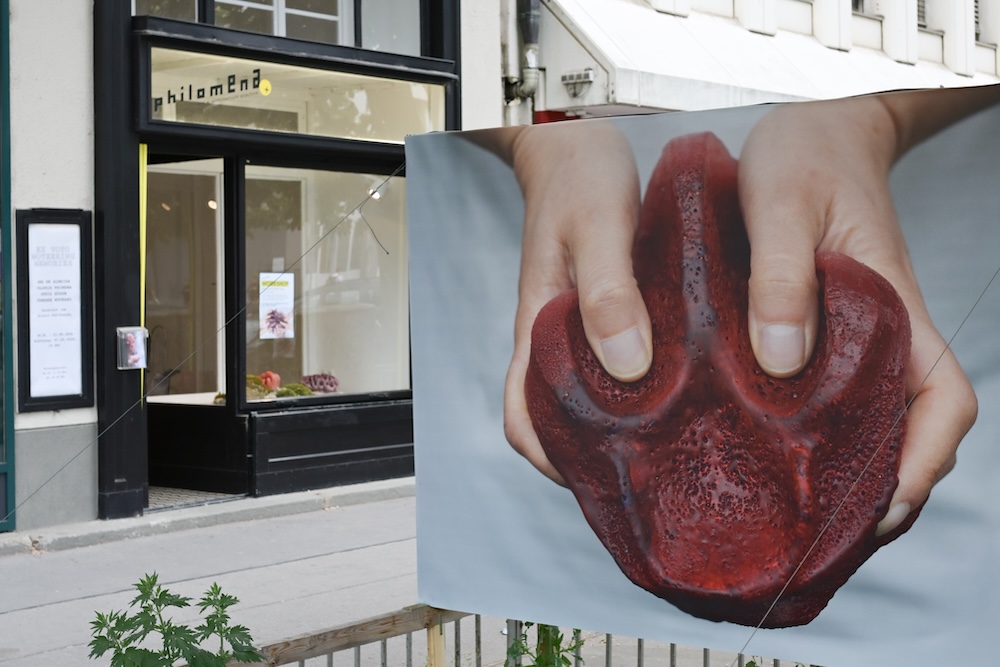
Venue: philomena+ project room, Heinestraße 40, 1020 Vienna

The exhibition Ex Voto / Mothering Memories brings the sculptural works of Ana de Almeida & Valeria Pechena into dialogue with Deniz Sözen & Tahereh Nourani’s sound installation.
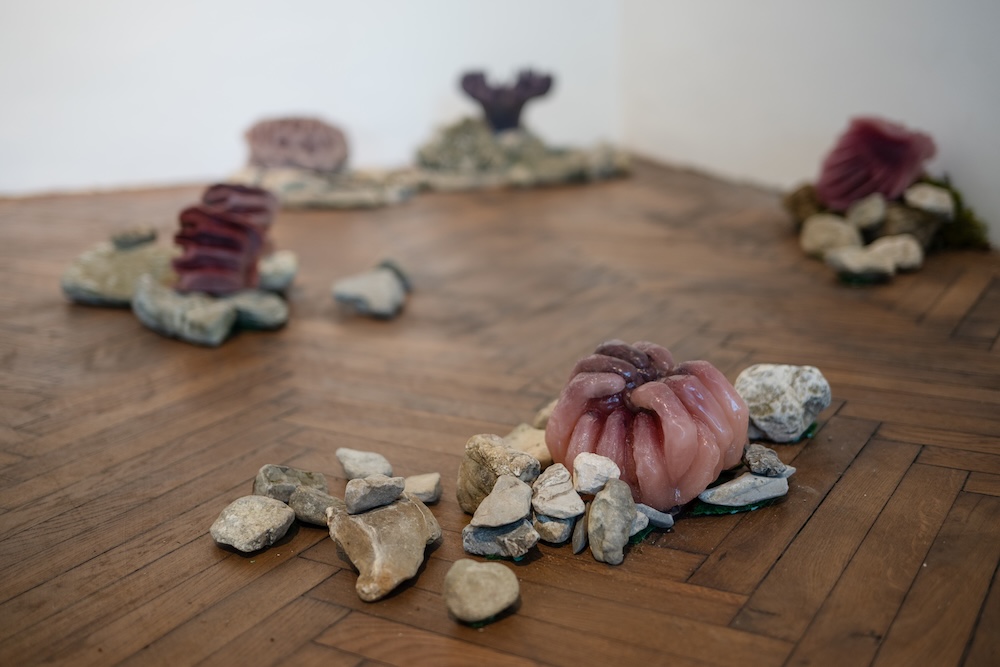
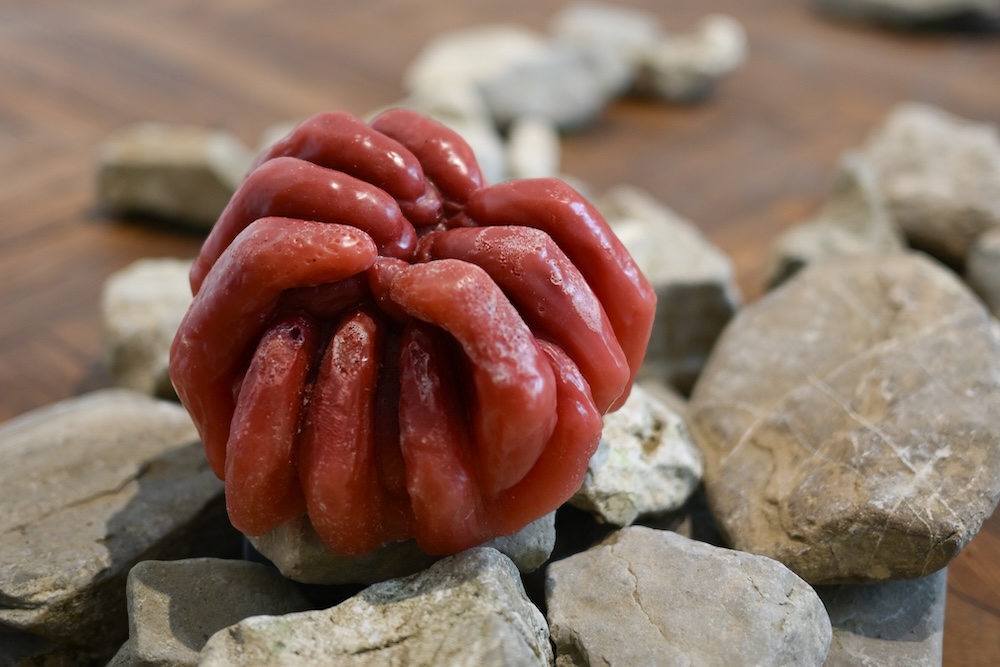
Ex-votos are votive offerings—small objects given in gratitude or supplication. Ana de Almeida and Valeria Pechena translate this practice into a contemporary artistic language: paraffin sculptures that oscillate between body fragment and abstract form. Working together under conditions of cohabitation and coparenting, they developed an alphabet-like repertoire that touches on the affective dimensions of flight, migration, and forced displacement. Each object carries anxiety and hope—and simultaneously offers a medium of community and care through the possibility of ritual transformation.
Deniz Sözen and Tahereh Nourani’s voice work extends this dimension of embodiment and ritual. In Mothering Memories (2026), they conduct workshops with women particularly from Vienna’s (post)migrant community. Lullabies, memories of mother figures, mother tongues, and messages to (unborn, imagined, or inner) children are distilled into multilingual songs and texts. From these intimate collective processes emerges a sound installation, a fabric of whispers, cries, songs, and silences that makes the transformative power of multilingual mother voices tangible.
The dialogue evolving from these works examines how care networks and collective practices of as ecological systems—networks of voices, gestures, and objects connecting individual experience with collective forms of remembering, healing, and resistance. Like the ritual ex-voto, these forms embody what is carried. When pain subsides or desire is fulfilled, the object dematerializes, the ritual loses its charge. Or, when feelings are transposed into songs, they become a repertoire that transposed from generation to generation. What remains is the trace of what was carried, transformed, and released.